

Last updated June 2026. We crash test children’s car seats as a matter of course — so why not the crate keeping your dog safe in the car? The independent Center for Pet Safety (CPS) has spent years crash testing dog crates, carriers and harnesses, and the results are still sobering: many products that claim to keep dogs safe offer very little real protection in a collision, and some fail so badly they become a hazard in their own right. If you have ever wondered which crash-tested dog crates actually passed, here is the evidence-based answer.
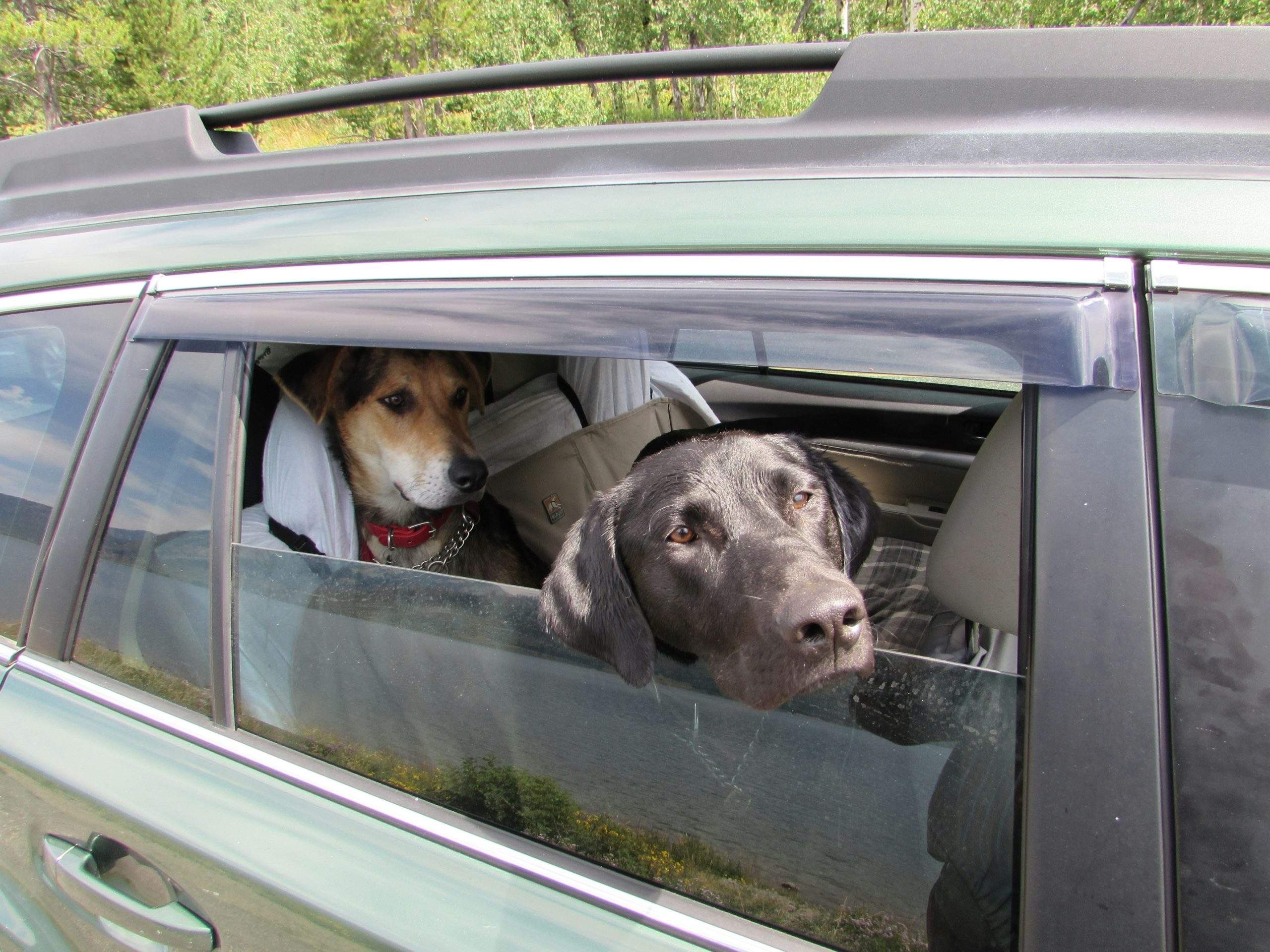
First, the law: your dog must be restrained
Before the crash data, the legal bit. Under Rule 57 of the Highway Code, you are responsible for making sure dogs (and other animals) are suitably restrained so they cannot distract you while you drive or injure you — or themselves — if you stop suddenly. The Code specifically lists seat belt harnesses, pet carriers, dog cages and dog guards as suitable methods. Beyond the safety risk, an unrestrained dog can invalidate your motor insurance and leave you open to a careless driving charge.
How the Center for Pet Safety tests
CPS is an independent non-profit — think of it as the Which? or IIHS of pet products. Importantly, it takes no money from the manufacturers whose gear it tests. Using weighted, realistic dog crash-test dummies (no live animals are ever used), it simulates a 30mph frontal impact. To pass, a product must keep the dog simulant fully contained and stay anchored in place rather than breaking loose and becoming a projectile.
It is hard to picture until you see it — this is CPS crash-test footage of pet restraints at a simulated 30mph impact:
Center for Pet Safety and Subaru crash-tested pet harnesses, carriers, seats and crates at a simulated 30mph frontal impact. Many failed badly.
Crash-tested dog crates: the ones that passed
Crates were the worst performers when CPS first tested them — of four crash-tested dog crates, only one stayed intact and stayed anchored. The good news is that the list of genuinely crash-tested dog crates is far stronger today. As of 2026, CPS-certified crates include the Gunner G1 Kennel (small, medium and intermediate), Cabela’s GunDog Kennel, the Lucky Duck Lucky Kennel and the Rock Creek aluminium kennel.
A crate only counts as crash-proof if it does two things at once: holds together and stays bolted to the car rather than launching forward. Plenty of cages sold as “heavy duty” have never been crash-tested at all, so the label alone tells you nothing. Most of the certified names above are US brands; for a crash-tested dog crate you can actually buy in the UK, the long-standing benchmark is the MIM Safe Variocage, available here through Safedog. If your dog travels in the boot of an estate or SUV, a certified crate is the most protective option going — nothing else contains the dog and stays put as reliably in a crash.
Dog carriers
In the earliest testing only a couple of carriers managed to both contain the dog and stay put; the rest came free or failed to hold the animal. The picture has improved markedly since. As of 2026, CPS-certified carriers include the Sleepypod Mobile Pet Bed and Mobile Pet Bed Mini, the Sleepypod Air and Atom, plus the Diggs Passenger, the Away Pet Carrier and several PawsInCar models. These suit cats and small dogs best.
Booster and dog seats — still a real worry
The raised booster seats marketed for smaller dogs remain CPS’s biggest concern. The organisation still publishes no pass criteria for them, because in testing none reliably retained the dog — in one case the Kurgo Skybox seat and dog together became a fully unrestrained projectile on impact. They look reassuring and sell well, but the evidence says treat them with real caution.
Seat belt harnesses
A harness clips your dog to the car’s seat belt. Most early designs failed badly — only one of eight passed. That top performer was the Sleepypod Clickit, and it is still the name to know. The current certified range includes the Sleepypod Clickit Sport, the newer Clickit Range (designed for deep-chested, sighthound-shaped dogs) and the Saker Bomber Harness.
Watch the crash tests for yourself
Numbers on a page are one thing; watching a crate shear off its anchors is another. CPS publishes its full crash footage — these are the studies behind the findings above:
- Crate crash tests (2015 study) — see why only one crate stayed anchored.
- Carrier crash tests (2015 study) — the carriers that held versus those that broke loose.
- Booster seat pilot study — including the Kurgo Skybox that became a projectile.
- Harness crash tests (2013 study) — only the Sleepypod Clickit kept the dog on the seat.
You can also browse everything on the CPS YouTube channel.
What this means if you are shopping in the UK
A crash-tested claim on the box means nothing on its own — it does not tell you the product actually passed. Look specifically for the Center for Pet Safety Certified logo, and check the current list on the CPS website before you buy. Realistically available to UK owners:
- Crash-tested crate: the MIM Safe Variocage via Safedog — the gold standard if you have the space and budget.
- Harness: the Sleepypod Clickit Sport — the most practical certified choice for most dogs.
- Carrier (cats and small dogs): the Sleepypod Mobile Pet Bed — not cheap, but a genuine top performer.
The bottom line
An unrestrained dog is not only at risk itself — in a crash it becomes a heavy projectile that can seriously injure everyone in the car. You do not have to spend a fortune, but you do need gear that has genuinely been tested and passed. Buy certified, fit it properly, and every journey gets safer for the whole family.
Dogly is reader-supported. Some links above are affiliate links: if you buy through them we may earn a small commission at no extra cost to you. As an Amazon Associate, Dogly earns from qualifying purchases. We only point readers towards products with independent safety certification.


