
Cornwall is the classic UK dog holiday – and one of the few counties where you’ll find genuinely dog-friendly beaches all year round. We’ve spent enough time down there with Lord Bentley to know what works: where the sand is, where the seasonal bans bite, and where a soggy spaniel gets a warm welcome. Here’s how to plan a Cornish break with your dog.
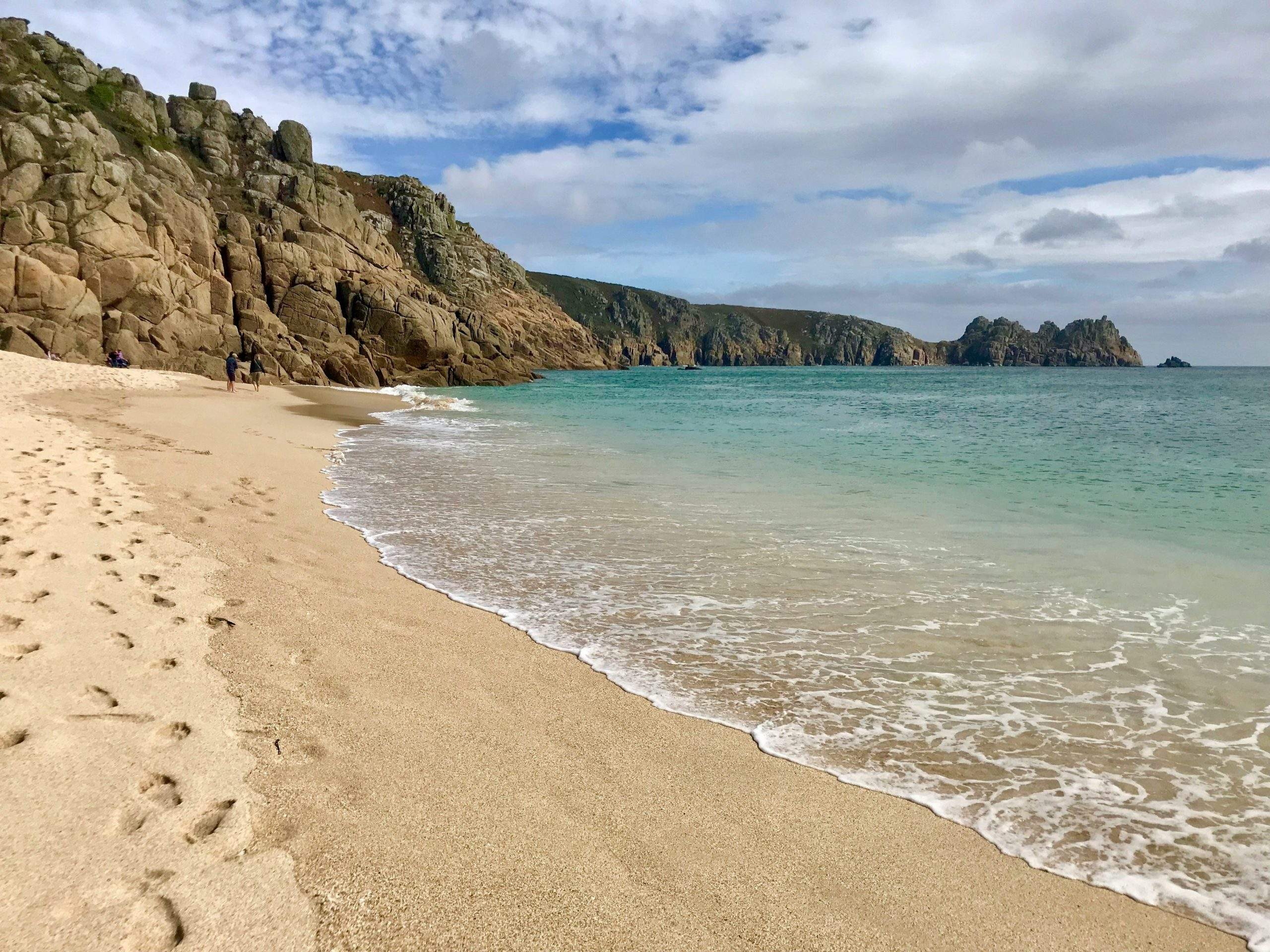
Dog-friendly beaches in Cornwall
Cornwall Council runs seasonal restrictions on its busier beaches in high summer – typically daytime bans during July and August – but plenty of beaches welcome dogs all year. Favourites include:
- Watergate Bay – two miles of sand near Newquay, dog-friendly year-round, with a beachside café culture that actively welcomes dogs
- Summerleaze, Bude – big, flat and brilliant at low tide, with a sea pool to gawp at
- Gwithian Towans – three miles of dune-backed sand on St Ives Bay with masses of off-lead space
- Par Sands – sheltered south-coast option, handy for the Eden Project (which also allows dogs in the outdoor gardens)
- Perranporth – vast at low tide, with the famous bar on the beach
Always check signage before you unclip – restrictions change, and some beaches split into dog and no-dog zones in summer. Our full guide to dog-friendly beaches in the UK explains how the seasonal rules work region by region.
Where to base yourself
North coast (Padstow, Rock, Polzeath): the best mix of beaches, coast path and dog-friendly food. Padstow itself is compact and walkable, and the Camel Trail starts on your doorstep.
Bude and the far north: quieter, cheaper, and arguably the best dog beaches in the county. A good shout for a first Cornish trip with a dog.
St Ives and West Penwith: stunning, but the harbour beaches carry summer restrictions – base yourself just outside town (Carbis Bay, Hayle) and you get Gwithian’s three miles of sand instead.
Falmouth and the south coast: gentler seas, sheltered creek walks around the Helford, and a proper working-town feel with plenty of dog-friendly pubs.
Where to stay: dog-friendly cottages in Cornwall
Cornwall has thousands of dog-friendly cottages, but they’re not all equal. The things we always look for: a securely enclosed garden (check the listing photos, not just the tick-box), walks straight from the door so you’re not driving before the morning wee, ground-floor living if your dog is older, and hard floors rather than cream carpets – because sand gets everywhere.
[Cottage picks with affiliate links to go here – 3–5 hand-picked properties: one coastal with enclosed garden, one budget, one luxury with hot tub, one for multiple dogs.]
Book early for school holidays – the genuinely good dog-friendly properties (enclosed garden, near a year-round beach) go first.
Walks and days out
South West Coast Path: the headline act. The Padstow to Harlyn stretch is superb with a dog – cliff-top drama without anything too hairy underfoot. Keep dogs close near cliff edges and on leads around livestock.
The Camel Trail: flat, traffic-free and 18 miles long between Padstow, Wadebridge and Bodmin – perfect for older dogs or a rest-day amble with a café stop.
Cardinham Woods: shaded off-lead woodland trails near Bodmin – the wet-weather and hot-day backup every Cornwall trip needs.
Kit Hill: huge views over the Tamar Valley and rarely busy, even in August.
Dog-friendly pubs and cafés
Cornwall’s pub culture is properly dog-friendly – most village pubs will have a water bowl down before you’ve found a table, and plenty of beach cafés let dogs inside rather than leaving you shivering on the terrace. It’s still worth a quick call ahead for food service in the smarter places.
Practical tips
- Summer beach bans mostly run during the day in July and August – early mornings and evenings are usually fine even on restricted beaches
- Tides matter: several of the best dog beaches all but disappear at high water, so check tide times before you set out
- Adders live on the coast path and heathland – keep dogs close in gorse and long grass in warm weather
- Rinse-off: salt and sand play havoc with skin and paws – a portable shower or a couple of big water bottles in the boot saves the cottage bathroom
- If anything gets washed up that your dog wants to eat, lead on – palm oil deposits occasionally appear on Cornish beaches and are toxic to dogs