Disclosure: As an Amazon Associate, Dogly earns from qualifying purchases. If you buy through a link on this page we may receive a small commission at no extra cost to you.
Every dog owner knows the routine: two miles into a warm walk, your dog starts panting hard, and you’re cupping your hand under a lukewarm bottle of Evian while most of it ends up on the ground. Lord Bentley, being a working cocker, doesn’t stop moving long enough to make even that work. A proper portable dog water bottle — one with a built-in bowl your dog drinks from directly — fixes the whole problem for about a tenner, and it’s honestly one of those bits of kit you’ll wonder how you managed without.
Why bother with a dog water bottle?
Beyond convenience, there’s a genuine safety case. Letting your dog drink from puddles, ponds or the sea isn’t the harmless shortcut it looks like: UK puddles routinely carry leptospirosis bacteria, standing water can host blue-green algae (which can be fatal to dogs), and seawater causes salt poisoning. A bottle gives you somewhere clean to point a thirsty dog instead. If you’re heading to the coast this summer, that pairs nicely with our guide to the best dog-friendly beaches in the UK.
Dogs also can’t tell you they’re thirsty. By the time you notice heavy panting, slowing down, or “the look”, they’re usually already mildly dehydrated — and small breeds dehydrate faster relative to their size than you’d expect. In hot weather it matters even more, so treat a water bottle as part of the same kit as the gear in our heatwave cooling guide.
What to look for
One-handed operation. You’re holding a lead. Any bottle that needs two hands and a knee is going back in the drawer within a week.
A proper leak-proof lock. The bottle lives in a jacket pocket, car door or rucksack. A slide-lock or lockable button is non-negotiable.
Water return. The good designs let unused water drain from the bowl back into the bottle at the press of a button, so nothing’s wasted.
The right capacity. For walks under half an hour, 350–500ml covers most dogs. For anything over an hour — or warm days, or big breeds — carry 750ml or plan a refill. A wide filler opening helps here: you can top up from any tap you pass.
Easy cleaning. Warm water sitting in a plastic bottle is a bacteria party. Wide mouths, detachable bowls and no hidden crevices. Rinse after every walk, deep-clean weekly.
The best dog water bottles to buy in 2026
1. Pecute Dog Water Bottle with Food Container — best for full days out
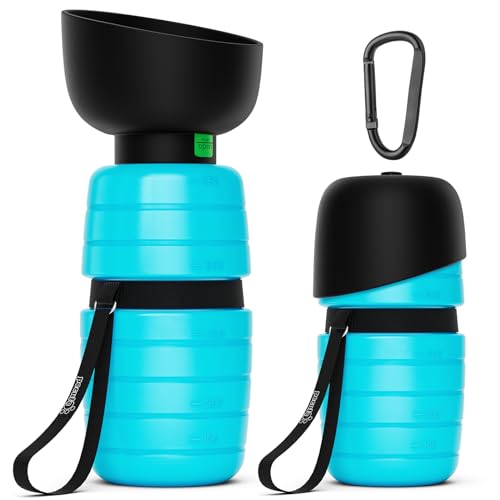
Pecute’s 850ml bottle adds a clever twist: a food compartment and a foldable bowl, with a carabiner to clip it to a bag. One button dispenses water into the bowl while you keep hold of the lead, and it’s earned thousands of positive UK reviews. If your walks tend to turn into whole afternoons, this is the pick.
2. Lesotc Dog Water Bottle — best budget

Usually under £15, with an integrated lid that doubles as the drinking bowl and a transit lock to stop pocket leaks. It doesn’t feel as premium as the others, but it does the job reliably, and at this price it’s an easy one to keep permanently in the car door.
3. COTOP Portable Dog Water Bottle — best all-round
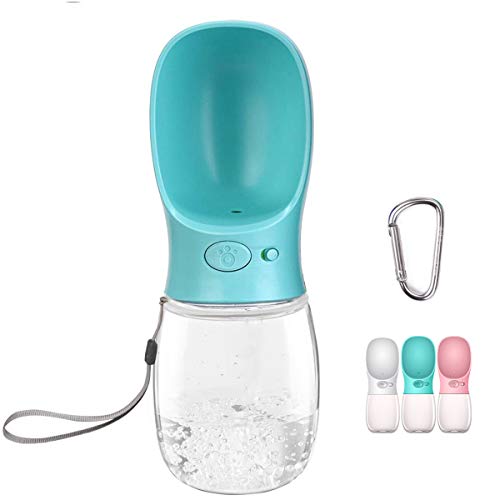
A simple, affordable 350ml bottle that covers the essentials: one-hand squeeze-and-release, a built-in bowl, and a leak-proof lock for your pocket or bag. It’s antibacterial-treated food-grade material and light enough that you’ll actually remember to bring it. A solid pick if you want a reliable everyday bottle without spending much.
4. Foldable Stainless Steel Bottle & Bowl — best for small dogs

A neat 2-in-1 for smaller dogs and short outings: a 238ml stainless steel bottle with a silicone bowl that folds flat against it, so the whole thing drops into a coat pocket or bumbag. The stainless build keeps water cooler than plastic on warm days, and there’s very little to carry. If you’ve a small breed or just want something minimal for the school-run walk, this is the one.
5. Insulated Stainless Steel Bottle — best for hot weather

The premium pick, and the one to reach for in summer. It’s double-wall vacuum-insulated 304 stainless steel, so it keeps water cold for up to 24 hours — a genuine difference on beach days and long car journeys, where a plastic bottle turns to lukewarm soup within minutes. The bottle flips open into a drinking bowl and unfinished water drains back in to avoid waste, plus there’s a second interchangeable bowl (handy for food, or as a cup for you). A press-lock lid keeps it leak-proof, and a built-in carabiner and lanyard clip it to a bag, belt or harness. It costs a little more than the plastic bottles above, but if you walk in the heat or travel a lot with your dog, it earns its keep.
How much water does a dog actually need?
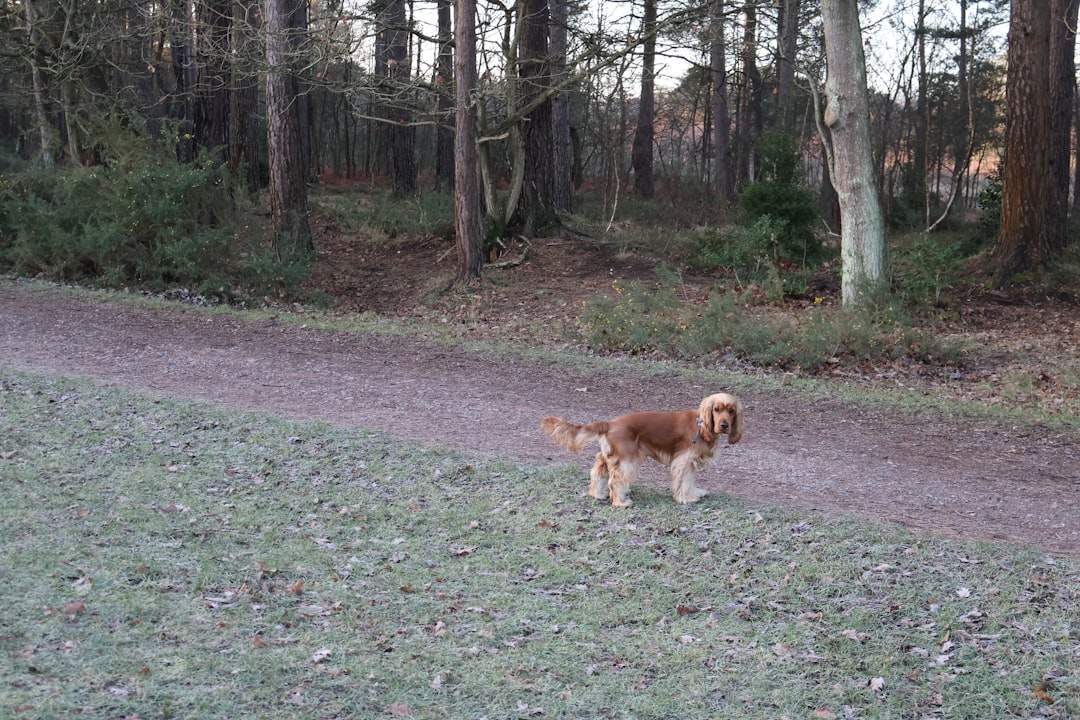
The working rule is roughly 50ml per kilogram of body weight per day — so a 15kg cocker like Bentley needs around 750ml across a normal day, and noticeably more in warm weather or after hard exercise. On walks, offer water every 20–30 minutes in warm conditions rather than waiting for panting. For walks under 30 minutes a 350–500ml bottle is plenty; over an hour, bring at least 750ml.
Keeping the bottle clean (and your dog drinking)
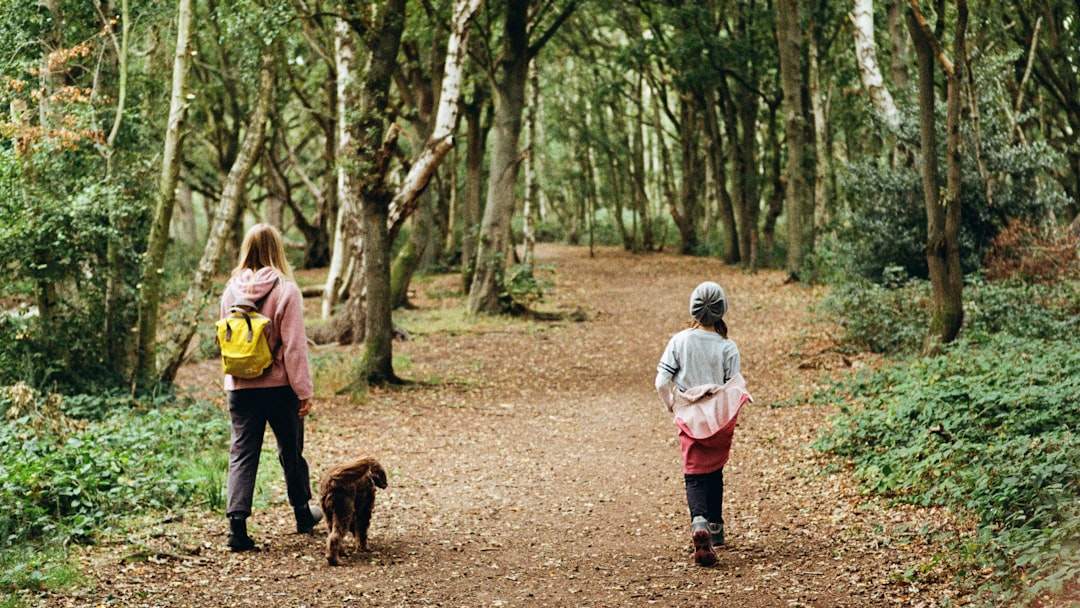
Dogs are fussier about water than they let on. A bottle that’s held stale water, sat in a hot car, or been washed with strong-smelling detergent can put them off entirely. Use the same bottle every time so it smells familiar, rinse with plain water after each walk, and deep-clean weekly with hot water. On properly hot days, drop a couple of ice cubes in through the wide opening — or go one better and set up one of the best dog paddling pools for when you get home.
FAQs
Can my dog just drink from puddles instead?
Best avoided. UK puddles and standing water can carry leptospirosis and blue-green algae, both of which can make dogs seriously ill. Clean bottle water is always the safer option.
What size dog water bottle should I buy?
350–500ml for short daily walks and small to medium dogs; 550–750ml or more for large breeds, warm weather, or walks over an hour.
Are dog water bottles leak-proof?
The good ones are — look for a slide lock or lockable button. Cheap bottles without a lock have a habit of emptying themselves into your coat pocket.
How often should I clean a dog water bottle?
Rinse with plain water after every use and give it a proper deep clean weekly. Anything that develops a smell or slimy film should be cleaned immediately or replaced.
Do stainless steel dog water bottles keep water cold?
Insulated ones do — a vacuum-insulated bottle like the PupFlask keeps water cold for 6–8 hours, which dogs much prefer on hot days.